Table of Contents
Understanding Keto: The Basics and Your Plate
The "Why" Behind the Keto Diet
Reducing carbohydrates can stabilise appetite for many people, making it easier to eat fewer snacks and build consistent routines. The emphasis on whole foods and home cooking reduces ultra processed items while giving you control over oils, salt, and spice levels.
Ketones can provide an alternative fuel source when glycogen is lower, which some people find helpful for long workdays. The approach does not need exotic products; Indian kitchens already have the tools—tawa, kadhai, pressure cooker, and a reliable spice box—to make satisfying meals quickly.
“Keep meals simple, repeatable, and tasty; complexity is the enemy of consistency.” — Home Kitchen Playbook
How to Build a Perfect Keto Plate
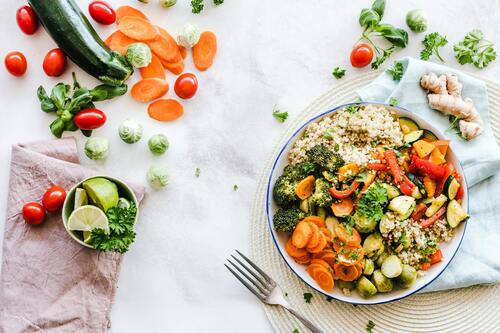
Use a palm sized protein, two fists of non starchy vegetables, and one to two tablespoons of fat. Add lemon, herbs, and heat from chilli to keep meals lively without depending on flour thickeners or sugar.
Think in templates: omelette + salad; curry + sautéed vegetable; grilled protein + chutney + kachumber. Templates reduce decision fatigue and help you shop and cook on autopilot, ensuring you stay within your carbohydrate budget most days.
The Importance of Hydration and Electrolytes
Early phases may shift fluids, so increase water, add a pinch of salt and lemon, and consider broth or diluted buttermilk if tolerated. These small steps can reduce headaches, cramps, and fatigue.
Carry a small salt sachet or electrolyte mix when travelling. In hot weather, combine water, a squeeze of lemon, and a pinch of rock salt to support hydration, especially if you train outdoors or walk long distances.
Personalizing Keto and When to Be Cautious
If you have diabetes, kidney issues, blood pressure concerns, are pregnant, or take medications, consult a qualified healthcare professional before making big changes. Adjust carbohydrate levels and portions to match your needs and lifestyle.
Your Keto Food List: What to Eat (With Indian Examples)
Keto-Friendly Proteins and Dairy
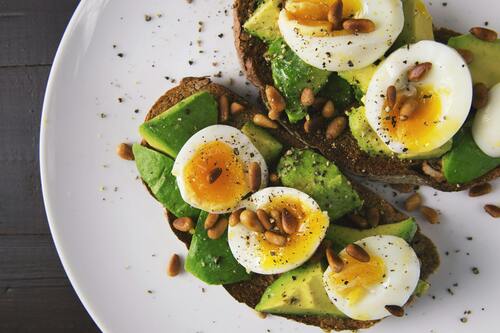
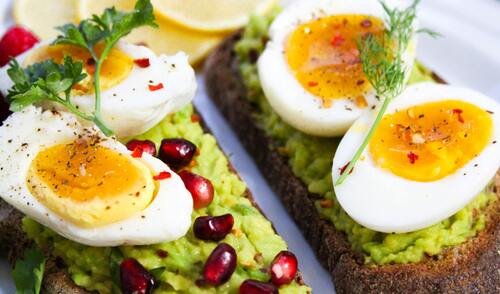
Eggs, paneer, hung curd, tofu, chicken, mutton, prawns, rohu, and pomfret are versatile and easy to flavour. Keep portions moderate so vegetables and fats still fit on the plate.
Vegetarian days can lean on paneer tikka, palak paneer, paneer bhurji, tofu chilli dry, and hung curd raita. Non vegetarian days can rotate grilled chicken, egg curry, mutton stew, fish fry, and prawn masala. Choose fresh cuts and avoid sugary marinades.
“Protein anchors the plate and helps manage appetite on lower carb days.” — Kitchen Planning Guide
The Best Low-Carb Vegetables
Spinach, methi, cabbage, cauliflower, broccoli, zucchini, mushrooms, capsicum, cucumber, tomato, and gourds add fibre and colour. Roast, stir fry, or simmer into curries with coconut or cream.
Practical combos: cauliflower jeera fry, bhindi sauté with mustard oil, cabbage poriyal with coconut, zucchini coconut curry, and mushroom pepper fry. Keep onions and tomatoes moderate in curries to manage carbohydrates without losing body.
Healthy Fats, Nuts, and Seeds
Cook with ghee, coconut oil, or groundnut oil; finish salads with olive oil. Use coconut, peanuts, almonds, walnuts, pumpkin seeds, and flaxseeds for crunch and energy.
Measure nuts into small bowls to prevent mindless snacking. Chutneys—mint, coconut, coriander—add flavour and fat, helping plates feel complete. Avoid added sugar and keep dal minimal in chutneys if you want to stay very low carb.
Quick Portion Cues for Keto
Quick portion cues for everyday plates:
- Protein: palm sized serving at main meals.
- Vegetables: two fists of non starchy options daily.
- Fats: one to two tablespoons for cooking or finishing.
- Snacks: small bowls of nuts or curd only if needed.
Season generously: cumin, coriander, turmeric, pepper, mustard seeds, curry leaves, ginger, garlic, and lemon create layers of flavour without additional carbs. Balance heat with acidity and a touch of fat for satisfying bites.
What to Avoid on Keto & A Sample 7-Day Meal Plan
Foods to Avoid or Strictly Limit
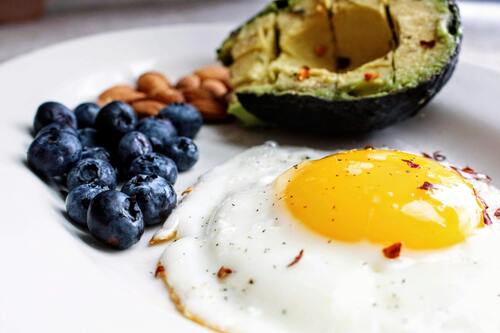
Avoid rice, wheat rotis, parathas, bread, poha, upma, idli, dosa with rice or rava, sugar, jaggery, honey, sweetened yoghurt, and packaged sweets or snacks. Keep starchy vegetables for flexible days if allowed.
“Menus hide sugar and starch; plain grilled or sautéed dishes are your best bet.” — Diner’s Handbook
Watch Out for Hidden Carbs and Sugars
Ketchup, sweet sauces, commercial gravies, and bakery items with maida often contain added sugars. Choose tandoori mains, butter garlic options, and salads with olive oil or lemon.
Beverage choices matter. Prefer water, lime soda with salt, black coffee, green tea, or tea with a splash of milk without sugar. Keep sweeteners occasional so your palate adapts to less sweetness over time, reducing cravings naturally.
A Sample 7-Day Indian Keto Meal Plan
Day one: masala omelette; grilled chicken with cabbage; paneer butter masala. Day two: curd with nuts; egg curry with cauliflower rice; fish fry with beans. Day three: tofu bhurji; mutton stew; palak paneer. Day four: scrambled eggs; tandoori chicken; zucchini coconut curry. Day five: cheese dosa; prawn masala; keema with beans. Day six: keto poha; chicken kebabs; paneer tikka salad. Day seven: mushroom omelette; egg fried cauliflower rice; butter garlic fish.
Snacks, if needed: peanuts, coconut slices with chaat masala, cheese cubes, or hung curd dip with cucumber. On busy days, repeat yesterday’s dinner for lunch, or carry a paneer tikka bowl with salad. Consistency is more important than novelty.
Smart Strategies for Eating Out
Eat out strategies to reduce carbs:
- Grilled first: tandoori, sautéed, or stir fried mains without breading.
- Swap sides: salad or vegetables instead of rice or naan.
- Sauces light: avoid sweet or thickened gravies; ask for lemon.
- Snack smart: carry nuts; sip water between courses.
Keto Lifestyle: Benefits, Challenges, and Practical Tips
The Potential Benefits of a Keto Diet
People often experience steadier energy, fewer cravings, and simpler decisions. Cooking at home increases vegetable variety, controls oil quality, and reduces reliance on ultra processed snacks.
“Repeatable routines beat complicated rules; choose meals you enjoy and can cook fast.” — Weeknight Notes
Common Challenges and How to Overcome Them
Early cramps or fatigue can happen during transitions; increase water, add salt and lemon, and consider broth. Social events and eating out need planning; read menus and choose grilled or sautéed mains without sugary sauces.
Your Keto Shopping List and Smart Swaps
Buy eggs, paneer, tofu, chicken, curd, cream, coconut milk, ghee, olive oil, and seasonal vegetables like cauliflower, cabbage, spinach, methi, mushrooms, cucumber, and tomatoes. Swap rice for cauliflower rice and use lettuce wraps or almond rotis occasionally.
Simple Keto Recipe Ideas
Four quick recipe ideas to rotate:
- Paneer tikka bowl: marinate in curd and spices; grill; add salad.
- Cauliflower pulao: sauté grated cauliflower in ghee with whole spices.
- Egg curry: simmer boiled eggs in tomato onion masala with cream.
- Veg stir fry: three vegetables in ghee with mustard seeds and curry leaves.
Conclusion: Making Keto Work for You
What to eat on a keto diet becomes clear when you follow a simple template: non starchy vegetables for fibre and colour, a palm sized protein for satiety, and a spoon or two of fat for flavour and energy. Indian spices, herbs, and chutneys make this approach enjoyable and easy to repeat.
Use the seven day template and portion cues to plan groceries quickly and assemble reliable weekday meals. Rotate proteins and vegetables, keep electrolytes balanced, and observe how energy and appetite respond. Adjust gently based on your schedule and preferences.
If you have medical conditions or take medications, consult a qualified professional to personalise carbohydrate levels and transitions. Save this guide and design your next week of dinners today.