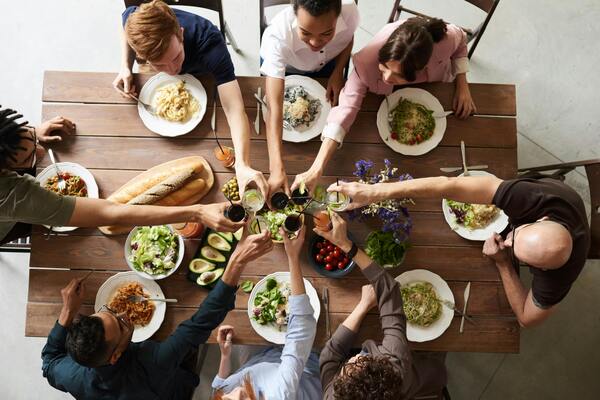
Table of Contents
Why Meal Prepping is a Game-Changer
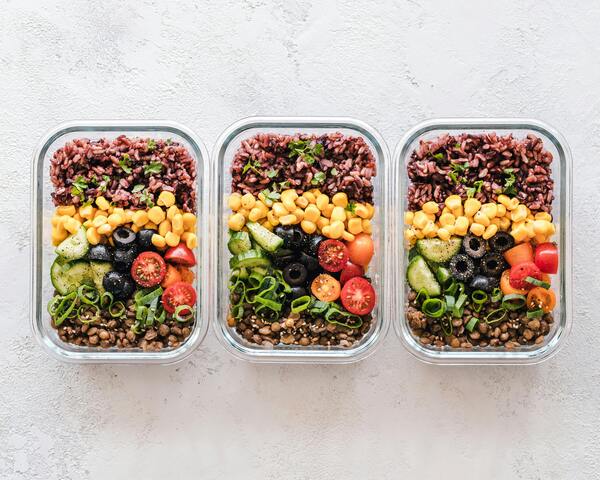
Saves You Time and Mental Energy
The biggest benefit of meal prepping is the time it gives back to you during the week. Instead of spending an hour each night cooking and cleaning, you can have a nutritious meal ready in minutes. It also eliminates "decision fatigue"—the mental exhaustion that comes from constantly having to decide what to eat. With your meals planned and prepped, you free up valuable mental space for other things.
Keeps Your Health and Fitness Goals on Track
When you're tired and hungry, it's easy to reach for unhealthy takeout or processed snacks. Meal prepping ensures you always have a healthy option available, making it the path of least resistance. You have complete control over the ingredients, portion sizes, and cooking methods, which is essential for anyone trying to lose weight, build muscle, or simply eat a cleaner diet.
"Failing to plan is planning to fail. Meal prep is the single most effective strategy for staying consistent with your nutrition goals." - James Clear, Author of Atomic Habits
Saves You Money
Eating out and last-minute grocery runs can quickly drain your wallet. By planning your meals and shopping with a specific list, you buy only what you need and are far less likely to make impulse purchases. Cooking in bulk is almost always more cost-effective than buying individual meals, and you'll drastically reduce your spending on expensive lunches and dinners out.
The Building Blocks of a Perfect Meal Prep
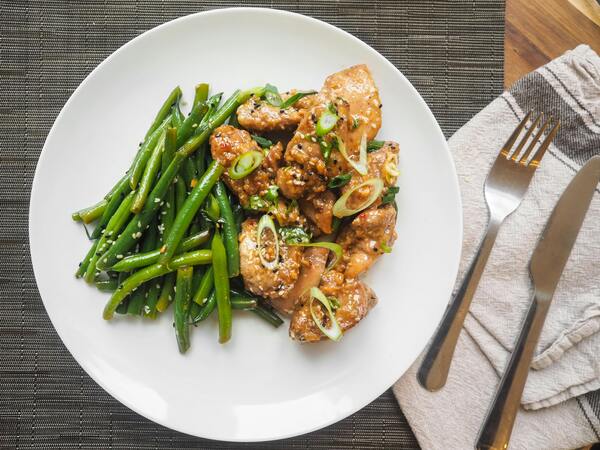
Choose Your Complex Carbs
Complex carbohydrates provide the sustained energy you need to power through your day. They are digested slowly, keeping you full and preventing energy crashes. Cook a large batch of one or two of these at the beginning of the week.
• Good choices: Quinoa, brown rice, sweet potatoes, rolled oats, whole-wheat pasta.
Pick Your Lean Proteins
Protein is essential for muscle repair, satiety, and overall health. Prepping your protein ahead of time is a huge time-saver. You can grill, bake, or use a slow cooker.
• Good choices: Chicken breast, fish (salmon, tilapia), lean ground turkey, eggs, tofu, chickpeas, lentils.
Load Up on Vegetables
Vegetables provide essential vitamins, minerals, and fiber. The easiest way to prep them is by roasting a large tray of your favorites. You can also chop raw veggies for salads or snacks.
• Good for roasting: Broccoli, cauliflower, bell peppers, zucchini, onions, carrots.
• Good for raw: Cucumber, tomatoes, leafy greens, shredded carrots.
Don't Forget Healthy Fats and Flavor
Healthy fats are important for hormone health and nutrient absorption. Sauces and dressings are key to preventing your meals from becoming boring.
• Healthy Fats: Avocado, nuts, seeds, olive oil.
• Flavor Boosters: Homemade vinaigrette, hummus, salsa, yogurt-based sauces, fresh herbs. A sprinkle of fresh microgreens just before serving can add a burst of flavor and nutrients.
Your Step-by-Step Guide to Meal Prep Sunday
Step 1: Plan Your Meals and Make a List
Before you do anything, decide what you're going to eat. Choose 2-3 main recipes for the week. Keep it simple. Based on your plan, create a detailed grocery list. Check your pantry and fridge first to see what you already have.
Step 2: Go Shopping
Stick to your list! This is crucial for saving money and avoiding waste. Try to shop on a Saturday or early Sunday morning to avoid the crowds. Buy fresh produce that looks vibrant and will last the week.
Step 3: Wash and Chop Your Veggies
As soon as you get home from the store, wash and chop all your produce. This is often the most time-consuming part of cooking, so getting it out of the way first is a game-changer. Store chopped veggies in airtight containers.
Step 4: Get Cooking (The Multitasking Phase)
This is where you become a kitchen maestro. Get multiple things going at once to be efficient.
• Get your grains (rice, quinoa) cooking on the stovetop or in a rice cooker.
• Put a big tray of chopped vegetables in the oven to roast.
• Cook your protein on the stovetop or grill while the other items are cooking.
• While everything is cooking, whip up a sauce or dressing.
Step 5: Cool and Assemble
Once everything is cooked, let it cool down to room temperature before assembling your containers. This prevents condensation from making your food soggy. You can either create full "grab-and-go" meals or store the components separately to mix and match later. Label your containers with the date and contents.
Sample Meal Prep Plan, Recipes, and Storage Tips
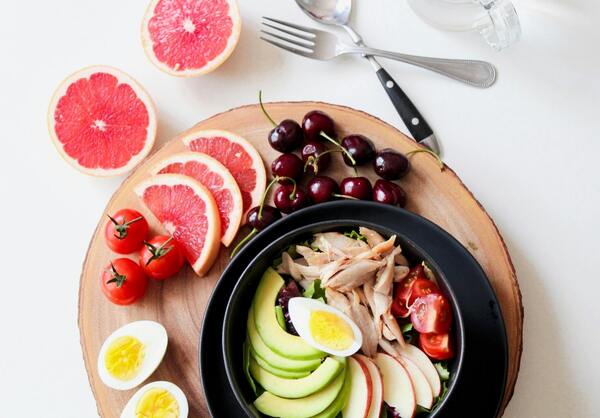
A Beginner's Sample Meal Prep (Lunches for 4 Days)
This plan creates four delicious and balanced "Buddha Bowls."
What to Prep:
• Carb: 1 cup of dry quinoa (yields ~3 cups cooked).
• Protein: 1 can of chickpeas, rinsed, dried, and roasted with paprika and garlic powder.
• Veggies: 1 head of broccoli and 2 bell peppers, chopped and roasted.
• Sauce: A simple lemon-tahini dressing (tahini, lemon juice, water, garlic powder, salt).
Assembly: Divide the quinoa, chickpeas, and roasted veggies among four containers. Store the dressing in small, separate containers. When ready to eat, heat the bowl, drizzle with dressing, and enjoy.
Essential Gear
You don't need much, but a few key items make a big difference.
• Good Quality Containers: Glass containers are great as they don't stain or hold odors and can be used in the microwave and oven.
• A Large Baking Sheet: For roasting big batches of vegetables.
• A Sharp Chef's Knife: Makes chopping much faster and safer.
• Small Containers or Jars: For sauces and dressings.
Storage and Food Safety
Proper storage is key to keeping your food fresh and safe.
• Most prepped meals will last 3-4 days in the refrigerator.
• If prepping for the full week, freeze the meals for the later days.
• Always let food cool completely before sealing and refrigerating.
• Be mindful of delicate ingredients. It's best to add things like avocado or fresh greens right before serving.
Conclusion: Reclaim Your Week
Meal prepping is more than just cooking in advance; it's a form of self-care. It's an investment in your health, your time, and your peace of mind. By taking a few hours to plan and prepare, you empower yourself to make healthy choices effortlessly throughout the week. You'll eat better, save money, and reduce the daily stress of cooking.
Start with a simple plan, find a few recipes you love, and embrace the process. You'll be amazed at how much of a difference it makes. Welcome to a healthier, less stressful week!