Table of Contents
What Exactly Are Microgreens & Who Benefits Most?
Defining microgreens clearly
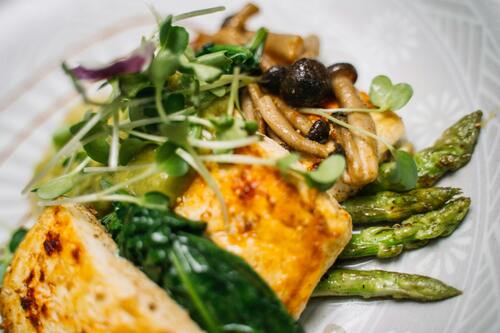
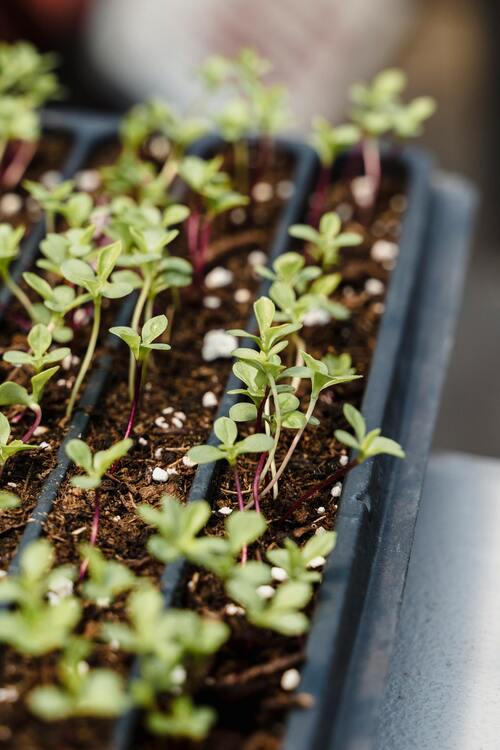
Microgreens are the seedlings of edible vegetables, herbs, and grains harvested a few days to a couple of weeks after germination. They include the stem and the first leaves, delivering concentrated aroma and flavour. Unlike sprouts, which are eaten root and seed included, microgreens are snipped above the soil or growing medium, rinsed, and used as a fresh garnish or salad base.
Why chefs and home cooks love them
Microgreens offer bright colour, crisp texture, and punchy flavours—from peppery radish to sweet pea shoots. A small handful can transform eggs, bowls, sandwiches, noodles, or soups. Because they’re planted densely and harvested quickly, they’re practical for small urban homes and compact balconies.
Who benefits the most
Busy professionals enjoy quick nutrition add‑ons without long prep. Families can introduce new flavours through tiny, approachable leaves. Fitness enthusiasts appreciate a fresh, low‑effort way to add variety to protein‑forward meals. For people exploring local, seasonal eating, microgreens allow year‑round freshness with minimal space.
How microgreens differ from sprouts and baby greens
Sprouts grow without light in jars and are eaten seed and root included within a few days. Microgreens are grown in light, harvested above the medium, and rinsed well. Baby greens grow longer and are larger leaves. Knowing the difference helps you purchase, store, and cook with confidence.
Popular Varieties, Nutrition, and Everyday Uses
Popular varieties and flavour notes
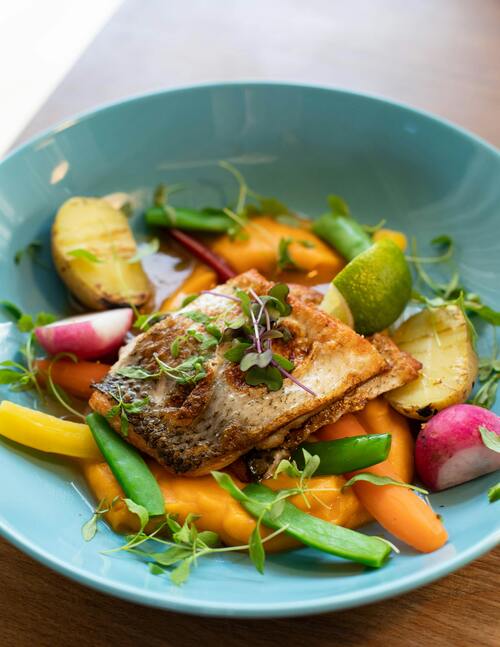
Radish microgreens are crisp and peppery; sunflower microgreens are nutty and juicy; pea shoots are sweet and tender. Broccoli brings a mild brassica note; cilantro adds citrus‑herb freshness; red amaranth offers earthy sweetness and striking colour. These “miniature herbs and vegetables” let you tune flavour like a spice rack.
Nutrition snapshot
Many microgreens are rich in vitamins A, C, K, and a variety of phytonutrients. Because they’re harvested young, some nutrients can be concentrated compared to their mature counterparts. Enjoy them alongside a variety of whole foods to round out fibre, protein, and healthy fats in your meals.
Everyday culinary uses
Scatter on eggs or avocado toast; toss with lemon and olive oil for a quick side; pile onto grain bowls; fold into tacos and wraps; finish dal, soups, or noodles at the table; layer inside burgers and sandwiches; blend into pestos and chutneys; top hummus or yogurt dips to add colour and crunch.
[Key Points]
Quick ways to add microgreens to common meals:
- Breakfast topper: add pea shoots to masala omelettes or tofu bhurji.
- Lunch bowl: radish microgreens with grilled chicken, quinoa, and citrus.
- Soup finisher: sunflower microgreens over tomato or pumpkin soup.
- Wraps and rolls: cilantro microgreens inside paneer or falafel wraps.
Common Myths and Mistakes to Avoid
Myth: microgreens are just garnish
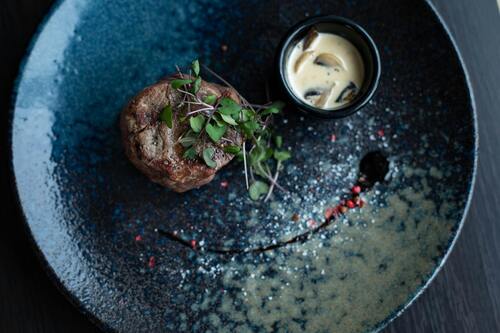
They brighten dishes, but they’re far more than decoration. A generous handful can form a light salad, mix into slaws, or add texture to bowls. Because flavours range from sweet to peppery, they can replace herbs in many recipes or complement them for layered complexity.
“Treat microgreens like fresh herbs with more crunch—add at the end, taste, and adjust.”
Common handling mistakes
Soaking them under hard water pressure bruises delicate leaves. Instead, swish gently in a bowl, then spin or pat dry. Don’t pack tightly in warm spaces; transfer to a breathable box or clamshell lined with a paper towel, and store in the fridge. Use within a few days for peak flavour.
What to avoid while cooking
Avoid prolonged heat that dulls colour and aroma. If you sauté, do it briefly in warm oil to wilt slightly, or add off‑heat to warm dishes. Over‑salting can flatten delicate flavours, so season lightly and add a squeeze of lemon to wake up the greens.
Smart substitutions and swaps
No coriander? Use cilantro microgreens. Want pepper without raw onion? Add radish microgreens. Need crunch for a soft sandwich? Sunflower microgreens deliver. Swap a portion of mature salad leaves with microgreens for a flavour lift without changing the recipe structure.
How to Grow, Buy, and Use Microgreens (FAQ)
How to grow microgreens at home
Use shallow trays with drainage, a clean coco‑peat or potting mix, and quality seed. Pre‑moisten the medium, sprinkle seed evenly (not too dense), mist, and keep covered for 2–3 days until most seeds sprout. Move to light, water from below when the surface dries, and harvest with clean scissors when the first true leaves appear.
Buying checklist and storage
Look for crisp stems, vibrant colour, and a fresh, grassy aroma. Avoid sliminess or yellowing. Store refrigerated in a breathable box with a dry paper towel. Rinse gently and dry before serving. For weekly planning, buy or harvest smaller amounts twice a week instead of one large batch.
Quick recipe ideas
Toss pea shoots with lemon, olive oil, salt, and pepper for a 60‑second salad. Blend sunflower microgreens with basil, garlic, and nuts for a bright pesto. Top dal or khichdi with radish microgreens and ghee. Fold broccoli microgreens into scrambled eggs. Finish hummus, noodles, or grilled fish with a colourful handful.
Regional examples (clearly labeled)
India example: add cilantro microgreens to bhel or sev puri just before serving for herbaceous freshness. Southeast Asia example: use pea shoots in pho bowls at the table. Europe example: layer sunflower microgreens on dark rye sandwiches with smoked fish and soft cheese.
Internal resources to explore
For gut‑friendly ideas, see Improve gut health naturally. If you’re building a healthier pantry, browse our latest posts from the nutrition and wellness blog for practical, repeatable templates.
Frequently asked questions
Below are concise answers to common questions. Always consider your personal health context and consult a professional for specific medical or dietary advice.
Are microgreens the same as sprouts?
Sprouts are germinated seeds eaten whole—seed, root, and shoot—often grown in jars without soil and harvested in a few days. Microgreens are grown in light, cut above the medium, rinsed, and eaten as delicate shoots. Their flavours are more herb‑like, and they offer a different texture and culinary flexibility compared to sprouts.
How long do microgreens last in the fridge?
Fresh, well‑handled microgreens typically last three to five days. Keep them dry and cool in a breathable container lined with a paper towel to absorb moisture. Rinse just before serving. Buying or harvesting smaller amounts more frequently preserves flavour and reduces waste while keeping colours bright and textures crisp.
Can I cook microgreens or should I eat them raw?
Most microgreens shine when raw or minimally heated. Add them at the end of cooking to keep colour and aroma. Gentle wilting in warm oil can be tasty for certain dishes, but avoid long cooking times that dull flavours. Try microgreens as a garnish for soups, eggs, tacos, and bowls to maximise their fresh character.
Which varieties are best for beginners?
Start with easy, forgiving options: pea shoots, sunflower, and radish. They germinate reliably, grow quickly, and deliver distinct flavours—sweet, nutty, and peppery. As you gain confidence, add broccoli, red amaranth, and cilantro microgreens. Rotating varieties keeps meals interesting and helps you learn how each green behaves in recipes.
Do microgreens really have more nutrients than mature greens?
Some studies suggest certain nutrients can be more concentrated in microgreens, but variety, growing conditions, and handling all influence results. The most practical approach is variety: enjoy microgreens alongside other colourful vegetables, fruits, whole grains, proteins, and healthy fats to create balanced, satisfying meals every week.
Your Next Step with Microgreens
Microgreens are young, flavourful seedlings that add colour, aroma, and texture to everyday meals. They’re easy to use, simple to grow, and quick to store when you follow a few handling basics. From radish to pea shoots to sunflower, each variety offers a unique accent.
If you’re new, pick two varieties and build the habit of topping breakfast, lunch, and dinner. When you’re ready, explore more flavours and try home trays for a steady supply. Keep seasoning light and add microgreens last to protect freshness and hue.
Continue learning with our related guides and browse the latest posts on the Sett’s Greens blog. For a deeper nutrition perspective, see Improve gut health naturally and apply the same “small, repeatable steps” approach to your kitchen.