
Table of Contents
What is Dietary Fiber and Why Do You Need It?
Defining Dietary Fiber
Dietary fiber, also known as roughage, is the part of plant-based foods that your body can't break down and absorb. Unlike other food components like fats, proteins, or carbohydrates, which your body digests, fiber passes relatively intact through your stomach, small intestine, and colon and out of your body. It's found in all plant foods, including fruits, vegetables, whole grains, nuts, seeds, and legumes.
The Overlooked Health Hero
Fiber's benefits are vast and varied. It's most famous for promoting digestive regularity, but its role extends much further. A high-fiber diet can help you maintain a healthy weight, lower your risk of diabetes and heart disease, and is the primary food source for the beneficial bacteria in your gut. Despite these benefits, it's estimated that more than 90% of people don't meet the recommended daily intake.
"Fiber is the preferred food of your gut microbes. When you feed them well, they take care of you by producing compounds that reduce inflammation and support your immune system." - Dr. Will Bulsiewicz, Gastroenterologist
Key Benefits of a High-Fiber Diet
• Improves Digestive Health: Fiber adds bulk to stool, making it easier to pass and preventing constipation.
• Supports Heart Health: Certain types of fiber can help lower LDL ("bad") cholesterol levels.
• Helps Control Blood Sugar: Fiber slows the absorption of sugar, helping to prevent blood sugar spikes after meals.
• Aids in Weight Management: High-fiber foods are more filling, so you're likely to eat less and stay satisfied longer.
• Feeds Your Gut Microbiome: Fiber is the fuel for your beneficial gut bacteria, which are critical for overall health.
Soluble vs. Insoluble Fiber: The Dynamic Duo

Soluble Fiber: The Gel-Forming Softener
Soluble fiber dissolves in water to form a gel-like material in your digestive tract. This "gel" has several benefits. It can help lower blood cholesterol and glucose levels by slowing down digestion and the absorption of sugar. It also makes you feel full, which can help with weight control.
• Top Sources: Oats, barley, nuts, seeds, beans, lentils, peas, and some fruits and vegetables like apples and carrots.
Insoluble Fiber: The "Roughage" Regulator
Insoluble fiber does not dissolve in water. Instead, it adds bulk to the stool and appears to help food pass more quickly through the stomach and intestines. This is the type of fiber that is most effective at promoting regularity and preventing constipation.
• Top Sources: Whole-wheat flour, wheat bran, nuts, beans, and vegetables, such as cauliflower, green beans, and potatoes.
Why You Need Both
It's not a matter of choosing one over the other. A healthy diet should include a good mix of both soluble and insoluble fiber. Most plant-based foods naturally contain a combination of the two, so by focusing on eating a wide variety of high-fiber foods, you'll likely get a healthy balance of both types without having to think too much about it.
The Top High-Fiber Foods for Your Shopping List
Legumes: The Fiber Powerhouses
Beans, lentils, and chickpeas are some of the most fiber-rich foods you can eat. A single cup of cooked lentils can provide over half of your recommended daily intake. They are also an excellent source of protein and other essential nutrients.
Whole Grains: The Unrefined Champions
Choose whole grains over their refined counterparts. The refining process strips away the bran and germ, which contain most of the fiber. Look for 100% whole wheat bread, brown rice, quinoa, oats, and barley.
Fruits and Vegetables: Nature's Candy and Roughage
All fruits and vegetables contain fiber, but some are particularly good sources. Berries (especially raspberries), pears, apples (with the skin on), broccoli, Brussels sprouts, and leafy greens are all excellent choices. Eating a variety of colors will also provide a wide range of vitamins and antioxidants.
Nuts and Seeds: Small but Mighty
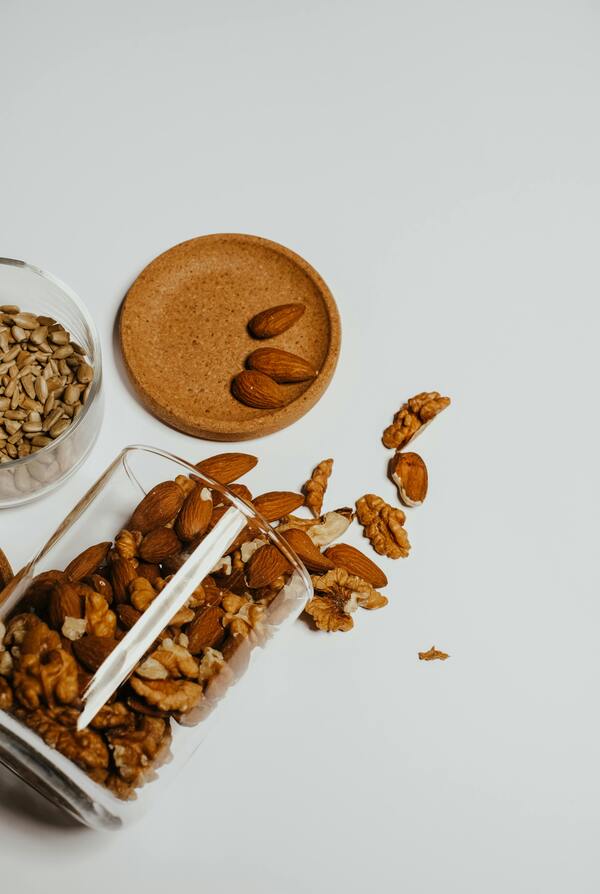
Nuts and seeds are a great way to add fiber, healthy fats, and protein to your diet. Chia seeds, flaxseeds, almonds, and sunflower seeds are all fantastic sources. A tablespoon of chia seeds alone contains about 5 grams of fiber.
Don't Forget Microgreens
While not a bulk source of fiber like beans, fresh greens like microgreens contribute to your overall intake. They are also packed with other nutrients, and their fiber content helps to support a healthy gut microbiome. Adding a handful to your meals is an easy way to boost both fiber and nutrient density.
Simple and Practical Ways to Increase Your Fiber Intake

Start Your Day with Fiber
Kickstart your fiber intake with a high-fiber breakfast. A bowl of oatmeal topped with berries and chia seeds is a fantastic option. If you prefer smoothies, add a tablespoon of flaxseed or a handful of spinach.
Make Smart Swaps
You don't need to overhaul your entire diet. Start with simple swaps.
• Choose brown rice instead of white rice.
• Opt for 100% whole-wheat bread and pasta.
• Snack on a piece of fruit or a handful of nuts instead of chips or crackers.
Bulk Up Your Meals
Add legumes to your existing recipes. Toss some chickpeas into your salad, add black beans to your soup, or mix lentils into your pasta sauce. This is an easy way to boost the fiber and protein content of meals you already enjoy.
A Word of Caution: Go Slow and Stay Hydrated
If your current diet is low in fiber, it's important to increase your intake gradually. Adding too much fiber too quickly can lead to gas, bloating, and cramping. Increase your intake over a few weeks to give your digestive system time to adjust. It's also crucial to drink plenty of water. Fiber works best when it absorbs water, which helps to soften your stool.
Conclusion: The Foundation of a Healthy Diet
Dietary fiber is a true unsung hero of nutrition. From keeping your digestive system running smoothly to protecting your heart and feeding the trillions of beneficial bacteria in your gut, its benefits are undeniable. By focusing on incorporating more whole plant foods—fruits, vegetables, legumes, whole grains, nuts, and seeds—into your daily routine, you can easily meet your fiber needs and reap the rewards.
Start making small, simple changes today. Your body, and especially your gut, will thank you for it.