Table of Contents
The Gut Microbiome: Your Body's "Second Brain"
What is Gut Health, Really?
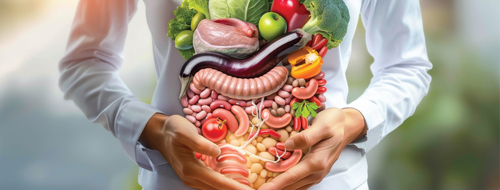
When we talk about "gut health," we're referring to the balance of microorganisms that live in your digestive tract. Your gut is home to trillions of microbes—including bacteria, viruses, and fungi—collectively known as the gut microbiome. Think of it as a bustling, diverse city inside you. In a healthy gut, beneficial ("good") bacteria outnumber the harmful ("bad") ones, creating a state of harmony or "eubiosis." This balance is essential for your body to function optimally. When the bad bacteria take over, it leads to "dysbiosis," a state linked to numerous health issues.
"All disease begins in the gut." - Hippocrates
Why a Healthy Gut is Your Greatest Health Asset
The importance of a healthy gut extends far beyond digestion. Your microbiome is so influential that scientists often refer to it as your "second brain." It plays a pivotal role in nutrient absorption, breaking down food your body can't digest on its own and producing essential vitamins. A staggering 70% of your immune system resides in your gut, meaning a balanced microbiome is your first line of defense against illness. Furthermore, your gut produces about 95% of your body's serotonin, the "feel-good" neurotransmitter, directly impacting your mood and mental well-being. It's clear that a happy gut is a cornerstone of a happy, healthy life.
Warning Signs of an Unhappy Gut
Your body has ways of telling you when your gut microbiome is out of balance. While some signs are obvious, like frequent bloating, gas, constipation, or diarrhea, others are more subtle. Persistent fatigue, unexplained skin issues like acne or eczema, frequent sugar cravings, and even mood swings or brain fog can all be indicators of gut dysbiosis. Paying attention to these signals is the first step toward taking action and restoring balance to your inner ecosystem.
The Modern-Day Gut Saboteurs
Our modern lifestyle often works against our gut health. Diets high in processed foods, sugar, and unhealthy fats feed harmful bacteria, allowing them to thrive. Chronic stress floods the body with cortisol, a hormone that can negatively alter your gut lining and microbiome composition. Lack of sleep, a sedentary lifestyle, and the overuse of antibiotics (which wipe out both good and bad bacteria) are also major culprits. Understanding these saboteurs is key to making conscious choices that support, rather than harm, your gut.
The Pillars of Gut Nutrition: Probiotics, Prebiotics & Polyphenols
Probiotics: Reinforcing Your Army of Good Bacteria
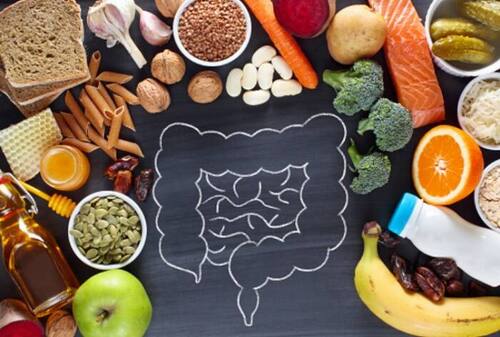
Probiotics are live, beneficial bacteria that help reinforce the population of good microbes in your gut. You can think of them as sending in fresh troops to support your inner army. Consuming probiotic-rich foods is one of the most direct ways to improve gut health. Fermented foods are excellent natural sources. Look for products with "live and active cultures" to ensure you're getting the real deal.
Prebiotics: The Essential Fuel for Your Gut Allies
If probiotics are the soldiers, prebiotics are their food supply. Prebiotics are a type of dietary fiber that your body can't digest, so they travel to your lower digestive tract where they become a nutrient source for the good bacteria. This helps your beneficial microbes grow and thrive, further strengthening your gut barrier and producing health-promoting compounds called short-chain fatty acids (SCFAs). Including a variety of prebiotic-rich foods in your diet is just as important as consuming probiotics.
"Think of prebiotics as fertilizer for your gut microbiome. You need to feed the good bacteria you already have." - Dr. Tim Spector, Professor of Genetic Epidemiology
Polyphenols: The Colorful Antioxidant Boost
Polyphenols are powerful antioxidant compounds found in plant-based foods. They are responsible for the vibrant colors in many fruits and vegetables. While known for their ability to fight oxidative stress, polyphenols also have a profound impact on the gut microbiome. They can inhibit the growth of harmful bacteria while encouraging the proliferation of beneficial ones. Only a small fraction of polyphenols are absorbed in the small intestine; the rest make their way to the colon, where they are metabolized by gut bacteria into other beneficial compounds.
The Power of Diversity: Why Eating the Rainbow Matters
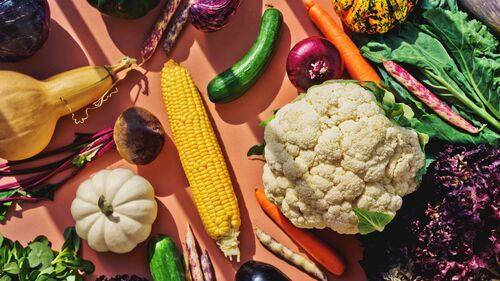
A healthy gut is a diverse gut. Research consistently shows that a wider variety of plant foods in your diet correlates with a more diverse and resilient microbiome. Different microbes thrive on different types of fiber and polyphenols. By "eating the rainbow," you ensure you're feeding a wide range of beneficial bacteria. A great goal is to aim for 30 or more different types of plant foods per week. This might sound daunting, but it includes fruits, vegetables, grains, legumes, nuts, seeds, herbs, and spices. Small additions, like a sprinkle of mixed seeds on your yogurt or a different herb in your salad, can quickly add up.
- Probiotic Foods: Yogurt (curd), kefir, kimchi, sauerkraut, kombucha, miso.
- Prebiotic Foods: Garlic, onions, leeks, asparagus, bananas, oats, apples, flaxseeds.
- Polyphenol-Rich Foods: Berries, dark chocolate, green tea, olive oil, broccoli, red grapes.
- Microgreens: Young greens like broccoli and radish microgreens are packed with polyphenols and fiber, making them a gut-health superfood.
Lifestyle Habits That Transform Your Gut Health
Mastering Stress for a Calmer Gut
The connection between your brain and your gut is so strong it's called the gut-brain axis. This bi-directional highway means that stress and anxiety can directly impact your gut function, and vice-versa. When you're stressed, your body releases cortisol, which can increase gut permeability (often called "leaky gut"), alter your microbiome, and slow digestion. Finding effective ways to manage stress is therefore non-negotiable for gut health. Practices like meditation, deep breathing exercises, yoga, or even just spending time in nature can significantly lower cortisol levels and promote a healthier gut environment.
The Critical Role of Sleep in Gut Repair
Sleep is when your body performs its most important repair work, and your gut is no exception. A lack of quality sleep can disrupt the natural rhythms of your microbiome, leading to an increase in inflammatory bacteria and a decrease in beneficial ones. Poor sleep also impacts the gut-brain axis, potentially increasing stress and cravings for unhealthy foods. Aiming for 7-9 hours of consistent, high-quality sleep per night is one of the most powerful things you can do for your gut. Establish a relaxing bedtime routine and create a dark, cool, and quiet sleep environment to support this crucial process.
Movement: Not Too Little, Not Too Much
Regular, moderate exercise is fantastic for your gut. It can increase the diversity of your microbiome, promote the growth of beneficial bacteria, and improve the regularity of your bowel movements. Activities like brisk walking, jogging, cycling, or swimming are all excellent choices. However, it's a matter of balance. Overly intense or prolonged exercise can actually have the opposite effect, increasing stress on the body and potentially leading to gut issues. Listen to your body and find a movement routine that feels energizing, not depleting.
The Art of Mindful Eating
How you eat is just as important as what you eat. Digestion begins in your mouth, and chewing your food thoroughly is the first step in breaking it down properly. When you eat in a rushed or distracted state, you're more likely to swallow air (leading to bloating) and not chew your food enough, placing a greater burden on your digestive system. Practice mindful eating by sitting down for meals, putting away distractions, and taking the time to savor each bite. This simple shift can dramatically improve digestion and nutrient absorption.
- Manage Stress: Incorporate 10-15 minutes of meditation or deep breathing into your daily routine.
- Prioritize Sleep: Aim for 7-9 hours of quality sleep per night in a dark, cool room.
- Move Your Body: Engage in 30 minutes of moderate exercise, like a brisk walk, most days of the week.
- Eat Mindfully: Chew each bite thoroughly and eat without distractions.
Your Gut-Friendly Routine: Foods to Eat & Avoid
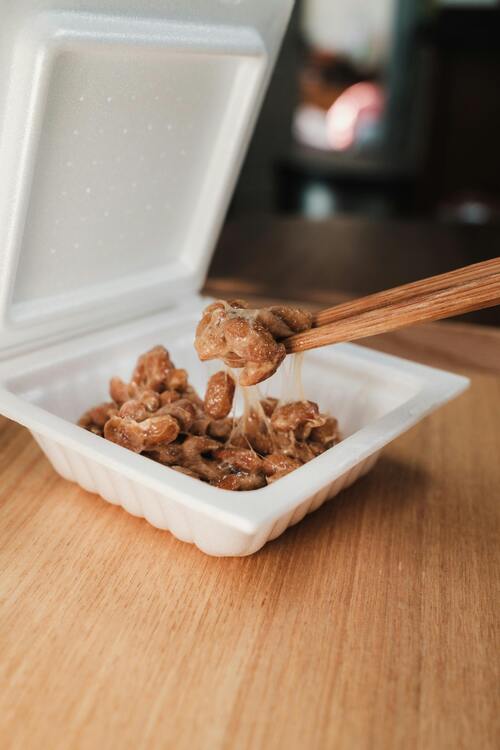
Foods to Embrace for a Thriving Gut
Building a gut-friendly diet is about focusing on whole, unprocessed foods that are rich in fiber, nutrients, and beneficial compounds. Prioritize variety and color on your plate to ensure you're feeding a wide range of good bacteria. Make these foods the foundation of your meals.
Foods to Limit for a Happier Gut
Just as important as what you add to your diet is what you limit. Certain foods can promote the growth of harmful bacteria, increase inflammation, and disrupt the delicate balance of your microbiome. While you don't need to eliminate these foods entirely, reducing your intake can make a significant difference.
"Every time you eat is an opportunity to nourish your body and your microbiome. Choose wisely." - Dr. Mark Hyman
A Sample Gut-Friendly Day
Here’s what a day of eating for gut health could look like. Notice the focus on fiber, fermented foods, and plant diversity.
- Breakfast: A bowl of oatmeal (prebiotic) topped with mixed berries (polyphenols), a spoonful of flaxseeds (prebiotic), and a dollop of Greek yogurt (probiotic).
- Lunch: A large mixed greens salad with chickpeas, cucumber, tomatoes, bell peppers, and a sprinkle of sunflower seeds. Dressed with an olive oil and lemon vinaigrette.
- Snack: An apple with a small handful of almonds.
- Dinner: Grilled fish or tofu with a side of quinoa and steamed broccoli and asparagus.
Simple Swaps for Better Gut Health
You don't need a complete diet overhaul to start improving your gut health. Small, consistent swaps can have a big impact over time. Here are a few easy ideas:
- Swap sugary breakfast cereal for oatmeal or a smoothie.
- Swap soda or sweetened juice for water or kombucha.
- Swap white bread for 100% whole-wheat or sourdough bread.
- Swap a bag of chips for a handful of nuts or some veggie sticks with hummus.
- Swap a creamy, store-bought salad dressing for a simple mix of olive oil, lemon juice, and herbs.
Conclusion: Your Journey to a Healthier Gut
Improving your gut health is a journey, not a destination. It’s about making small, sustainable changes that add up over time. By focusing on a diverse, plant-rich diet, incorporating fermented foods, managing stress, and prioritizing sleep, you provide your microbiome with the tools it needs to thrive. These simple, natural strategies can lead to profound improvements in your digestion, energy levels, immunity, and overall sense of well-being.
Start by choosing one or two tips from this guide to implement this week. Listen to your body, be patient with the process, and celebrate the small wins. Nourishing your gut is one of the most powerful acts of self-care you can practice, and the rewards are well worth the effort.