
Table of Contents
What is a Plant-Based Diet, Really?
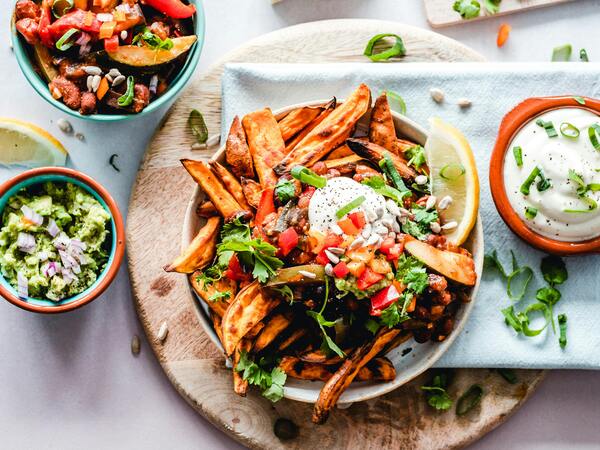
Defining the Plant-Based Approach
At its core, a plant-based diet is an eating pattern that emphasizes whole, minimally processed foods derived from plants. This includes fruits, vegetables, whole grains, legumes (beans, lentils), nuts, and seeds. It's not necessarily about strict exclusion but rather about what you choose to include more of. Unlike "vegan," which is a lifestyle that avoids all animal products for ethical reasons, "plant-based" is a broader term focused primarily on health and nutrition.
"Let food be thy medicine and medicine be thy food." - Hippocrates
Different Shades of Plant-Based
There's a spectrum of plant-based eating, which makes it an accessible and flexible approach for everyone. You can choose the level that best fits your lifestyle and goals.
• Flexitarian: Primarily plant-based but occasionally includes small amounts of meat, poultry, or fish.
• Vegetarian: Excludes meat, poultry, and fish, but may include dairy and eggs.
• Vegan: Excludes all animal products, including meat, poultry, fish, dairy, eggs, and honey.
• Whole-Food, Plant-Based (WFPB): Focuses on whole, unprocessed plant foods and minimizes or avoids refined foods like white flour, sugar, and oil.
Why It's Gaining Momentum
The shift towards plant-based eating is driven by a growing body of scientific evidence linking it to a lower risk of chronic diseases, improved longevity, and better environmental outcomes. People are discovering that eating more plants can lead to increased energy, better digestion, and a healthier relationship with food. It's a proactive way to invest in your long-term health.
The Science-Backed Benefits of Eating More Plants

Boost Your Heart Health
Plant-based diets are naturally low in saturated fat and cholesterol and rich in fiber, which helps lower blood pressure and reduce LDL ("bad") cholesterol levels. The abundance of antioxidants and anti-inflammatory compounds in plant foods also helps protect against damage to blood vessels, significantly reducing the risk of heart disease, the leading cause of death worldwide.
Support Healthy Weight Management
Plant foods are typically high in fiber and water content, which makes them very filling but lower in calories. This concept, known as calorie density, allows you to eat satisfying, large portions of food while naturally consuming fewer calories. A high-fiber diet also helps stabilize blood sugar levels, reducing cravings and preventing overeating.
"The data is clear: the more plants you eat, the lower your risk of obesity, heart disease, and type 2 diabetes." - Dr. Michael Greger, NutritionFacts.org
Lower Your Risk of Chronic Diseases
Beyond heart disease, plant-based diets have been shown to lower the risk of many other chronic conditions. The high fiber and phytonutrient content can improve insulin sensitivity, reducing the risk of type 2 diabetes. The powerful antioxidants found in plants also help protect cells from damage that can lead to cancer.
Improve Your Gut Health
A thriving gut microbiome is the cornerstone of good health, and it flourishes on dietary fiber. Plant-based diets are exceptionally rich in diverse fibers that act as prebiotics—the food for your beneficial gut bacteria. A healthy gut microbiome is linked to a stronger immune system, better mood, and reduced inflammation throughout the body.
- Reduced Inflammation: Plant foods are packed with anti-inflammatory compounds.
- Healthier Skin: The high vitamin and antioxidant content can lead to a clearer, more radiant complexion.
- Increased Energy: A diet rich in complex carbs and nutrients provides sustained energy.
- Environmental Impact: Plant-based diets require significantly less water and land and produce fewer greenhouse gas emissions.
Building a Balanced Plant-Based Plate
Power Up with Plant-Based Protein
One of the most common questions is, "Where do you get your protein?" The plant kingdom offers an abundance of excellent protein sources. It's a myth that you need to meticulously combine proteins at every meal. As long as you eat a variety of plant foods throughout the day, you will get all the essential amino acids your body needs.
Choose Complex Carbohydrates for Sustained Energy
Carbohydrates are your body's preferred source of fuel. On a plant-based diet, you'll focus on complex carbohydrates, which are digested slowly and provide a steady release of energy. These are found in whole, unprocessed foods and are packed with fiber, vitamins, and minerals.
Incorporate Healthy Fats for Brain and Body
Fats are essential for hormone production, nutrient absorption, and brain health. A whole-food, plant-based diet includes plenty of healthy, unprocessed fats. These fats are anti-inflammatory and support overall health.
Key Nutrients to Be Mindful Of
While a well-planned plant-based diet is incredibly nutritious, there are a few nutrients that require a little extra attention to ensure you're getting enough.
• Vitamin B12: This is the only nutrient not reliably found in plant foods. It's produced by bacteria and is crucial for nerve function. A B12 supplement is recommended for anyone on a strict plant-based diet.
• Iron: Plant-based (non-heme) iron is absorbed less easily than animal-based (heme) iron. To boost absorption, pair iron-rich foods with a source of Vitamin C (e.g., lentils with a squeeze of lemon).
• Calcium: Abundant in fortified plant milks, tofu, leafy greens (like kale and collard greens), and tahini.
• Vitamin D: The "sunshine vitamin." Many people, regardless of diet, are deficient. Fortified foods and sensible sun exposure can help, but a supplement may be necessary.
Getting Started: A Sample Meal Plan & Practical Tips

A Sample Day of Plant-Based Eating
Here’s what a delicious and satisfying day of plant-based eating can look like. This is just an example to give you ideas—feel free to mix and match based on your preferences.
- Breakfast: Oatmeal made with soy milk, topped with berries, a tablespoon of chia seeds, and a sprinkle of cinnamon.
- Lunch: A large "Buddha bowl" with a base of quinoa, topped with roasted chickpeas, steamed broccoli, shredded carrots, and a drizzle of tahini dressing.
- Snack: An apple with a handful of almonds.
- Dinner: Lentil and vegetable curry served with brown rice.
Tips for a Smooth Transition
Switching to a plant-based diet doesn't have to be an overnight overhaul. A gradual approach is often the most sustainable.
• Start with "Meatless Mondays": Dedicate one day a week to eating fully plant-based.
• "Veganize" Your Favorites: Swap ground beef for lentils in your bolognese, or use a cashew-based sauce for mac and cheese.
• Focus on Addition, Not Subtraction: Instead of thinking about what you're giving up, focus on adding more vegetables, fruits, and legumes to the meals you already enjoy.
• Stock Your Pantry: Keep staples like canned beans, lentils, quinoa, brown rice, and oats on hand for quick and easy meals.
The Role of Microgreens in a Plant-Based Diet
Microgreens are a fantastic addition to any plant-based diet. They are incredibly nutrient-dense, providing a concentrated source of vitamins, minerals, and antioxidants. A small handful of broccoli or radish microgreens can add a significant nutritional boost, as well as vibrant color and flavor, to salads, sandwiches, and bowls.
Conclusion: Your Journey to a Healthier You
Adopting a plant-based diet is a rewarding journey that offers profound benefits for your health and the planet. By focusing on whole, minimally processed plant foods, you can nourish your body, reduce your risk of chronic disease, and feel more energetic than ever. Remember that it's a flexible approach—find the balance that works for you and enjoy the process of discovering new, delicious foods.
Start with small, manageable changes, and be patient with yourself. Every plant-based meal is a step in the right direction. By fueling your body with the vibrant, nutrient-rich foods it was designed to thrive on, you're making a powerful investment in your long-term health and happiness.