
Table of Contents
The "Why": Understanding Pre-Workout Nutrition
Why Fueling Up Before a Workout Is Non-Negotiable
Think of your body as a high-performance car. You wouldn't expect it to win a race on an empty tank, right? The same logic applies to your workouts. A well-chosen pre-workout meal serves several critical functions: it tops off your energy stores, prevents your body from breaking down precious muscle tissue for fuel, enhances focus, and ultimately allows you to train harder and longer. Skipping this crucial step can lead to premature fatigue, dizziness, and a workout that feels more like a chore than a challenge.
"Your pre-workout meal is your performance primer. It sets the stage for energy availability and muscle protection, allowing you to get the most out of every single rep." - Sports Nutritionist, Dr. Eva Lynn
The Science of Energy: Glycogen and ATP
So, how does food turn into fuel? When you eat carbohydrates, your body breaks them down into glucose. This glucose is either used immediately for energy or stored in your muscles and liver as glycogen. During exercise, your body converts this stored glycogen into adenosine triphosphate (ATP), the primary energy currency of your cells. Having ample glycogen stores means you have readily available fuel to power through intense activities like lifting weights, sprinting, or high-intensity interval training (HIIT).
Preventing Muscle Catabolism
When you exercise, especially for long durations or at high intensity, your body can enter a "catabolic" state, where it starts breaking down muscle tissue for energy if other fuel sources are scarce. Consuming protein as part of your pre-workout meal provides your body with a steady stream of amino acids. These amino acids act as a protective shield for your muscles, reducing breakdown and promoting an "anabolic" (muscle-building) environment. This not only preserves your hard-earned muscle but also kick-starts the recovery process before your workout even ends.
Hydration: The Overlooked Essential
While we often focus on food, hydration is just as critical. Dehydration can severely impair performance, reduce endurance, and increase the perception of effort. Even a small drop in hydration levels (as little as 2% of your body weight) can have a significant negative impact. Aim to drink water consistently throughout the day and have a glass or two in the hour leading up to your session. This ensures your muscles are hydrated and ready to perform at their best.
The "What": Building Your Perfect Pre-Workout Meal
Carbohydrates: Your Primary Fuel Source
Carbohydrates are the undisputed king of pre-workout fuel. They are your body's most efficient energy source and are essential for maintaining intensity. The key is to choose the right type. Complex carbohydrates (like oats, brown rice, and whole-wheat bread) provide a slow, sustained release of energy, making them ideal for meals eaten 2-3 hours before a workout. Simple carbohydrates (like bananas, honey, or a sports drink) are digested quickly, providing a rapid energy boost perfect for a snack 30-60 minutes before you start.
Protein: The Muscle Protector and Builder
Including a moderate amount of protein in your pre-workout meal is crucial for muscle preservation. It supplies the amino acids needed to prevent muscle breakdown and initiates the repair process early. Focus on lean, easily digestible protein sources that won't sit heavily in your stomach. Great options include Greek yogurt, eggs, a scoop of whey or plant-based protein powder, or a small portion of lean meat like chicken breast if you have more time to digest.
Fats: Use with Caution
Healthy fats are a vital part of a balanced diet, but they are slow to digest. Consuming a high-fat meal right before a workout can divert blood flow to your stomach for digestion instead of to your muscles, potentially leading to sluggishness, cramps, or stomach discomfort. While a small amount of healthy fat (like a tablespoon of peanut butter on toast) is generally fine, it's best to avoid heavy, greasy, or fried foods in the hours leading up to your training session.
The Pre-Workout Meal Formula
A simple way to structure your pre-workout meal is to prioritize carbohydrates, include a moderate amount of protein, and keep fats and fiber low. This combination ensures you have the energy you need without the digestive distress that can derail your workout. Here’s a breakdown of what to focus on and what to limit:
- Focus On (Carbs): Oats, bananas, sweet potatoes, whole-wheat toast, rice cakes, fruits.
- Add Some (Protein): Greek yogurt, protein powder, eggs, cottage cheese, lean meats.
- Limit (Fats): Fried foods, heavy creams, excessive oils, large portions of nuts/seeds.
- Be Mindful Of (Fiber): Large salads, raw cruciferous vegetables (like broccoli or cauliflower), beans, and lentils.
The "When": Timing Your Meal for Optimal Performance
The 2-3 Hour Window: The Ideal Full Meal
If you have a few hours before your workout, you can have a complete, balanced meal. This is the perfect time to combine complex carbohydrates, lean protein, and a small amount of healthy fats. This larger meal gives your body ample time to digest and absorb the nutrients, ensuring your glycogen stores are full and you have a steady supply of energy for a prolonged session. A meal this far out can be more substantial without risking digestive issues.
The 30-60 Minute Window: The Quick-Fuel Snack
When you're short on time, your focus should shift to smaller, faster-digesting foods. In this window, simple carbohydrates are your best friend. They provide a quick source of glucose that your body can use almost immediately. Pair it with a small amount of protein to stabilize blood sugar and protect your muscles. Avoid high-fat and high-fiber foods, as they will slow down digestion and could cause discomfort during your workout.
"The closer you get to your workout, the simpler your meal should be. Think quick carbs and easy-to-digest protein." - The Fitness Playbook
Early Morning Workouts: To Eat or Not to Eat?
The age-old question for early risers. Working out in a "fasted" state (on an empty stomach) can work for some, particularly for low-intensity cardio. However, for most people, especially those doing strength training or HIIT, having a small, easily digestible snack 20-30 minutes beforehand is beneficial. This can be as simple as half a banana, a few dates, or a glass of diluted fruit juice. This small snack can significantly improve performance and prevent the lightheadedness that can come from training on an completely empty tank.
Matching Your Meal to Your Workout
The type of workout you're doing can also influence your meal choice. Here’s a quick guide:
- For Strength Training: A balanced mix of carbs and protein is key. Carbs provide the energy for heavy lifts, while protein protects muscles from breakdown.
- For Endurance Cardio (e.g., long run): Prioritize carbohydrates. A higher-carb meal will ensure your glycogen stores are maxed out for sustained effort.
- For HIIT or CrossFit: You'll need quick, accessible energy. Focus on easily digestible carbs to power through intense bursts of activity.
- For Yoga or Pilates: A lighter snack is usually sufficient. Something like a piece of fruit or a small yogurt will provide energy without making you feel bloated during poses.
Practical Pre-Workout Meal Ideas & Recipes
If You Have 2-3 Hours (Full Meal Ideas)
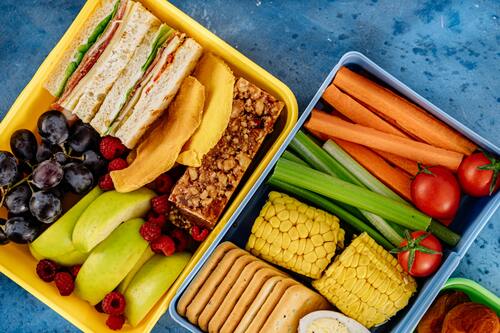
With plenty of time to digest, you can enjoy a more substantial meal that provides long-lasting energy. These options are balanced and will keep you fueled for even the toughest workouts.
- Grilled Chicken and Sweet Potato: A classic combination of lean protein and complex carbs. Add a side of steamed green beans for extra nutrients.
- Oatmeal with Berries and a Scoop of Protein Powder: A powerhouse of slow-release carbs, fiber, and muscle-protecting protein.
- Scrambled Eggs with Whole-Wheat Toast: A simple, effective meal providing quality protein from the eggs and sustained energy from the toast.
If You Have 30-60 Minutes (Quick Snack Ideas)
When time is tight, you need something that will digest quickly and give you an immediate energy lift. These snacks are perfect for a pre-workout boost without the bloat.
- A Banana with a Tablespoon of Peanut Butter: The perfect pairing of simple carbs for quick energy and a little protein/fat for satiety.
- Greek Yogurt with a Drizzle of Honey: Provides easily digestible protein and a quick hit of sugar for fuel.
- A Small Bowl of Cereal with Milk: Choose a low-sugar, whole-grain cereal for the best results.
- Rice Cakes with Sliced Turkey: A light, low-fat option that delivers carbs and lean protein.
The "On-the-Go" Pre-Workout Smoothie
A smoothie is one of the best pre-workout options because it's pre-digested, making the nutrients readily available. It's also easy to customize based on your needs and preferences. Here’s a simple, effective recipe:
The Energizer Smoothie:
- 1 scoop of your favorite protein powder (whey or plant-based)
- 1/2 cup of rolled oats
- 1 whole banana (frozen for a thicker texture)
- 1 cup of water or almond milk
- Optional: A handful of spinach for extra nutrients (you won't taste it!)
Blend all ingredients until smooth and enjoy 45-60 minutes before your workout for a perfect balance of carbs and protein.
Conclusion: Fuel Smart, Train Hard
Choosing what to eat before a workout doesn't have to be complicated. By focusing on easily digestible carbohydrates for energy and lean protein for muscle support, you can create a simple yet powerful pre-workout meal that sets you up for success. Remember to consider timing—a larger, more balanced meal a few hours before, or a quick, simple snack if you're short on time.
The most important takeaway is to listen to your own body. What works perfectly for one person might not work for you. Use this guide as a starting point, experiment with different foods and timings, and pay attention to how you feel during your workouts. With a little trial and error, you'll find the perfect pre-workout meal to help you crush your fitness goals.